Remember that feeling after a salon blow-dry? Smooth, shiny, full of life – it’s a feeling many of us chase daily. At its core, the humble hair dryer is an indispensable tool, transforming wet strands into styled masterpieces. But with a dizzying array of models and technologies available, choosing the right one and knowing how to use it can feel like a labyrinth. This guide will cut through the noise, helping you understand everything from its fascinating past to the cutting-edge tech that makes your hair dreams a reality.
Empty State.
The Hair Dryer’s Journey: A Glimpse into its Evolution
It might surprise you to learn that the concept of the hair dryer dates back to the late 19th century. In 1888, French salon owner Alexandre Godefroy invented the first hair-drying appliance, a rather imposing, seated contraption inspired by vacuum cleaner technology. This early model wasn’t exactly designed for portability or comfort, but it marked a significant leap forward in hair care.
Fast forward to around 1920, and the first handheld electric hair dryers began to emerge, thanks to innovators like Gabriel Kazanjian. These early models were heavy, often made of metal, and certainly had their quirks, including safety concerns. The 1950s saw the introduction of bonnet dryers and rigid-hood dryers, still common in salons today, offering more even heat distribution. The 1960s brought a revolution with the widespread use of lighter plastic materials and improved electrical motors, making the hair dryer truly practical for everyday home use. Since then, the evolution has largely focused on enhancing wattage, refining design, and integrating advanced technologies to protect hair and improve styling results.
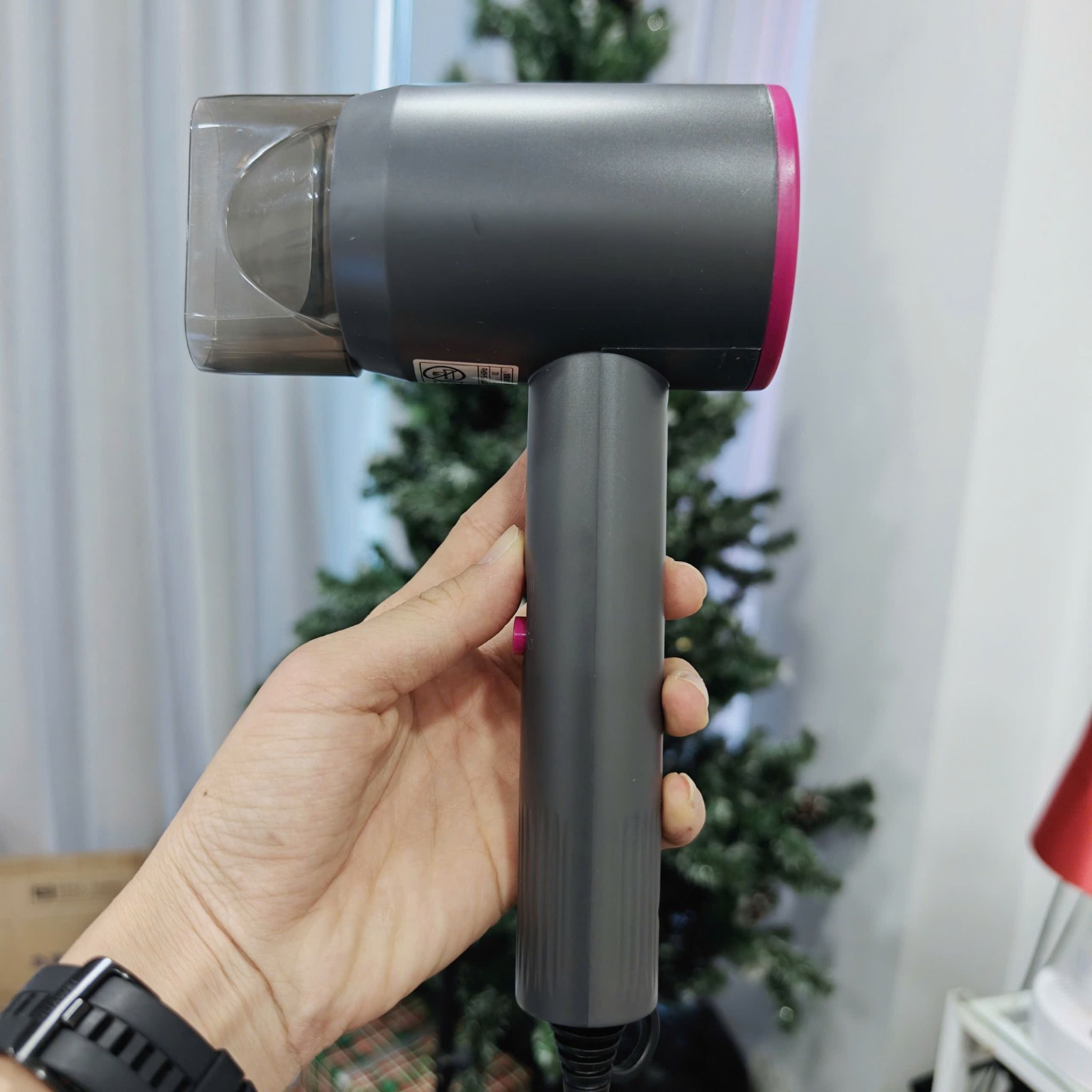
Understanding Hair Dryer Technology: More Than Just Hot Air
Today’s hair dryers are far more sophisticated than their ancestors, leveraging science to deliver faster drying, reduced damage, and professional-looking results. Getting to know the key technologies will empower you to make smarter choices.
Wattage and Motor Types: The Power Behind the Airflow
The wattage of a hair dryer indicates the power of its motor. Generally, higher wattage means more powerful airflow and faster drying times, which is especially beneficial for those with thick or long hair. For home use, aiming for at least 1800W is a good starting point, while professional-grade dryers often exceed 2000W.
When it comes to motors, you’ll often encounter two types:
- AC (Alternating Current) Motors: These are traditionally found in professional salon dryers. They are known for being more powerful, hotter, and generally more durable, making them a better investment for frequent use.
- DC (Direct Current) Motors: Often found in more compact and lightweight models, DC motors are perfectly suitable for casual home users. They offer convenience and are less heavy, reducing arm fatigue during styling.
Ionic Technology: Taming Frizz and Boosting Shine
If frizz is your arch-nemesis, an ionic hair dryer might be your new best friend. These dryers emit negative ions that interact with the positively charged water molecules on your hair. This process breaks down water molecules into smaller droplets, allowing hair to dry faster while sealing the hair cuticle. The result? Smoother, shinier hair with significantly less frizz and static.
Dr. Elena Petrova, a leading Trichologist and Hair Care Innovator, explains, “Ionic technology doesn’t just speed up drying; it’s a game-changer for hair health. By neutralizing positive charges, it actively combats frizz and leaves the hair cuticle smooth, locking in moisture and boosting natural shine.”
Ceramic Technology: Gentle and Even Heat
Ceramic hair dryers utilize ceramic heating elements that distribute heat evenly and consistently across your hair. This gentle, infrared heat dries hair from the inside out, protecting against hot spots and minimizing damage. Ceramic dryers are an excellent choice for individuals with fine, delicate, or color-treated hair, as they help preserve the hair’s natural moisture.
Tourmaline Technology: Speed and Smoothness for Thick Hair
Tourmaline, a semi-precious mineral, amplifies the benefits of ionic technology. When heated, tourmaline naturally produces a higher concentration of negative ions and infrared heat. This dual action allows for even faster drying times, greater frizz reduction, and enhanced shine and smoothness, making tourmaline hair dryers particularly effective for thick, coarse, or naturally curly hair.
Other Innovations: Bladeless, High-Speed, and More
The market continues to evolve with innovations like bladeless designs and high-speed motor technology, which promise quieter operation and ultra-fast drying. Some dryers even incorporate plant-based oil coatings, such as argan or coconut oil, to further enhance shine and softness.
Choosing Your Perfect Hair Dryer: A Match for Every Hair Type and Need
Selecting the ideal hair dryer isn’t a one-size-fits-all situation. Your hair type, styling preferences, and lifestyle all play a crucial role.
For Fine or Thin Hair
If your hair is fine or delicate, minimizing heat exposure is key to preventing damage.
- Look for: Lower wattage (around 1200-1600W), adjustable heat settings, and ceramic or ionic technology.
- Benefit: Gentle, even drying to protect strands and add volume without over-drying.
For Thick or Coarse Hair
Thick hair typically holds more water and takes longer to dry.
- Look for: Higher wattage (1800W or more), powerful airflow, and ionic or tourmaline technology.
- Benefit: Faster drying times, significant frizz reduction, and smoother results.
For Curly or Wavy Hair
Curly hair requires gentle drying to maintain its natural texture and prevent frizz.
- Look for: A hair dryer with a diffuser attachment, low heat settings, and ionic technology.
- Benefit: Diffusers disperse airflow gently, reducing frizz and enhancing curl definition and volume.
For Straight Hair
Achieving a sleek, smooth finish on straight hair benefits from controlled airflow.
- Look for: Multiple heat settings and a concentrator nozzle.
- Benefit: Concentrators direct airflow for precise styling, ideal for smoothing hair with a brush.
Other Key Considerations
- Heat and Speed Settings: Always opt for a hair dryer with multiple heat and speed settings to customize your drying experience for different styling needs and hair conditions.
- Cool Shot Button: This essential feature blasts a stream of cool air to set your style, seal the cuticle, and add shine.
- Attachments: Beyond diffusers and concentrators, some models come with comb nozzles for detangling while drying.
- Weight and Ergonomics: A lightweight, well-balanced hair dryer reduces strain on your wrist and arm, especially during longer styling sessions.
- Cord Length: A longer cord offers greater flexibility and convenience, particularly if outlets aren’t always ideally placed.
- Travel Features: If you’re a globetrotter, a dual-voltage hair dryer is a must-have, allowing you to use it worldwide.
Mastering the Blow Dry: Techniques for Effective and Safe Use
Using your hair dryer correctly is just as important as choosing the right one. Proper technique can minimize damage and maximize your style.
- Prep Your Hair: Always start by gently towel-drying your hair to remove excess water. Before applying any heat, spritz on a quality heat protectant to shield your strands from damage.
- Rough Dry First: Begin by rough-drying your hair on a medium heat and speed setting until it’s about 70-80% dry. Use your fingers to lift sections, focusing on the roots. This reduces overall drying time, minimizing heat exposure.
- Section and Style: Once mostly dry, divide your hair into manageable sections. Attach a concentrator nozzle for precision styling. Point the airflow down the hair shaft, moving from roots to ends with a brush, to smooth the cuticle and add shine.
- Mind the Distance: Keep the hair dryer at least 6-8 inches away from your hair to prevent excessive heat concentration.
- Cool Shot Finish: Once each section is dry and styled, blast it with the cool shot button. This locks in your style, adds shine, and helps reduce frizz.
- Volume Boost: For extra volume, flip your head upside down during the rough-drying phase or lift sections at the roots with a round brush during styling.
Beyond Drying: The Multifaceted Benefits of a Hair Dryer
The benefits of a hair dryer extend far beyond simply drying your hair after a wash. It’s a versatile styling companion that empowers you to achieve a variety of looks while saving precious time.
- Time-Saving Miracle: One of the most obvious advantages is the dramatic reduction in drying time compared to air-drying, especially for thick or long hair. This efficiency can be a game-changer for busy mornings.
- Styling Versatility: A hair dryer provides incredible control over your hairstyle. From sleek and straight to voluminous curls, it serves as the foundation for countless looks. You can use it to create body, smooth strands, or define natural waves and curls.
- Frizz Reduction: Modern hair dryers, especially those with ionic and tourmaline technologies, are experts at sealing the hair cuticle, which significantly reduces frizz and flyaways.
- Enhanced Shine and Manageability: By smoothing the hair cuticle, a blow-dry allows hair to reflect light better, resulting in a glossy, healthy appearance. This also makes your hair more manageable and easier to style.
- Foundation for Further Styling: Many stylists agree that blow-dried hair provides the best base for subsequent styling steps, such as curling or straightening.
Keeping Your Hair Dryer in Top Shape: Maintenance for Longevity
To ensure your hair dryer performs optimally and lasts for years, a little regular maintenance goes a long way. Neglecting it can lead to reduced efficiency, overheating, and even safety hazards.
- Unplug and Cool Down: Always unplug your hair dryer and allow it to cool completely before cleaning or storing it.
- Clean the Air Filter/Vents: The rear air intake filter is prone to collecting dust, lint, and hair, which can obstruct airflow and cause overheating.
- How often: At least once a month, or more frequently if you use it daily.
- Method: Carefully remove the filter (if removable) and use a small brush (like an old toothbrush) or a vacuum cleaner attachment to clear away debris. Rinse removable filters under water if permissible, ensuring they are completely dry before reattaching.
- Wipe Down the Exterior: Use a soft, damp cloth to wipe down the body of your hair dryer, paying attention to the handle and buttons. A bit of isopropyl alcohol can help remove stubborn product residue. Avoid getting water into the vents.
- Clean Attachments: Detach concentrators and diffusers and wash them with warm, soapy water. Allow them to air dry completely before reattaching or storing.
- Cord Care: Avoid wrapping the cord tightly around the dryer, as this can cause damage, fraying, or internal wire strain over time. Instead, loosely coil the cord.
- Storage: Store your hair dryer in a cool, dry place, protected from dust and accidental impacts.
- Inspect Regularly: Periodically check the power cord for any signs of wear, fraying, or exposed wires. If you notice any damage, stop using the appliance immediately and have it repaired or replaced.
Expert Insights: Elevating Your Hair Care Routine
“Many people underestimate the impact of a clean hair dryer,” notes Dr. Petrova. “A clogged filter can drastically reduce airflow, making your dryer work harder, increasing drying time, and potentially causing more heat damage to your hair. It’s a simple step that yields significant benefits for both your appliance and your hair health.”
She adds, “Don’t be afraid to experiment with the different settings and attachments your hair dryer offers. That cool shot button isn’t just for show – it’s crucial for setting your style and adding that professional finish. Think of your hair dryer as your primary styling tool; understanding its capabilities unlocks endless possibilities for your look.”
Frequently Asked Questions (FAQ)
Is a higher wattage always better for a hair dryer?
Generally, yes, higher wattage typically means a more powerful motor and stronger airflow, leading to faster drying times. This is especially beneficial for thick or long hair, as it reduces the reliance on extreme heat to dry the hair, thus minimizing potential damage.
Can hair dryers damage hair?
While hair dryers are safe when used correctly, excessive heat, improper technique, or neglecting heat protectant can lead to dryness, frizz, and breakage. Using adjustable heat settings, maintaining distance, and applying protectant are crucial for healthy hair.
How often should I clean my hair dryer?
It’s recommended to clean the air filter and vents of your hair dryer at least once a month, or more frequently if you use it daily. This prevents debris buildup, which can cause overheating and reduce efficiency.
What’s the difference between ionic and ceramic hair dryers?
Ionic hair dryers emit negative ions to break down water molecules, reducing frizz and speeding up drying, ideal for thick or frizzy hair. Ceramic hair dryers use even, infrared heat to dry hair gently from the inside out, making them suitable for fine or delicate hair. Many modern dryers combine both technologies.
What attachments are essential for a hair dryer?
A concentrator nozzle is essential for precise styling and smoothing hair, directing airflow exactly where you need it. A diffuser is vital for curly or wavy hair, as it disperses air gently to enhance curls and reduce frizz.
Conclusion
The hair dryer has come a long way from its rudimentary beginnings, evolving into a sophisticated tool that is essential for modern hair care. Understanding the various technologies – from the power of wattage and motor types to the benefits of ionic, ceramic, and tourmaline elements – empowers you to select the perfect device for your unique hair needs. By mastering effective drying techniques and committing to regular maintenance, you can unlock its full potential, transforming your hair health and styling game. So go ahead, choose wisely, blow dry smartly, and get ready to embrace your best hair days!