In the fast-paced world of beauty and personal care, finding tools that save time without sacrificing results is always a win. Enter the Hair Dryer Straightener, a revolutionary two-in-one device designed to transform your wet strands into sleek, straight perfection in a single, effortless step. If you’ve ever dreamt of cutting down your styling routine, achieving salon-worthy results at home, and giving your hair a break from multiple heat tools, then understanding these innovative stylers is your next mission. This comprehensive guide will dive deep into everything you need to know about the hair dryer straightener, helping you unlock its full potential for a flawless finish every time.
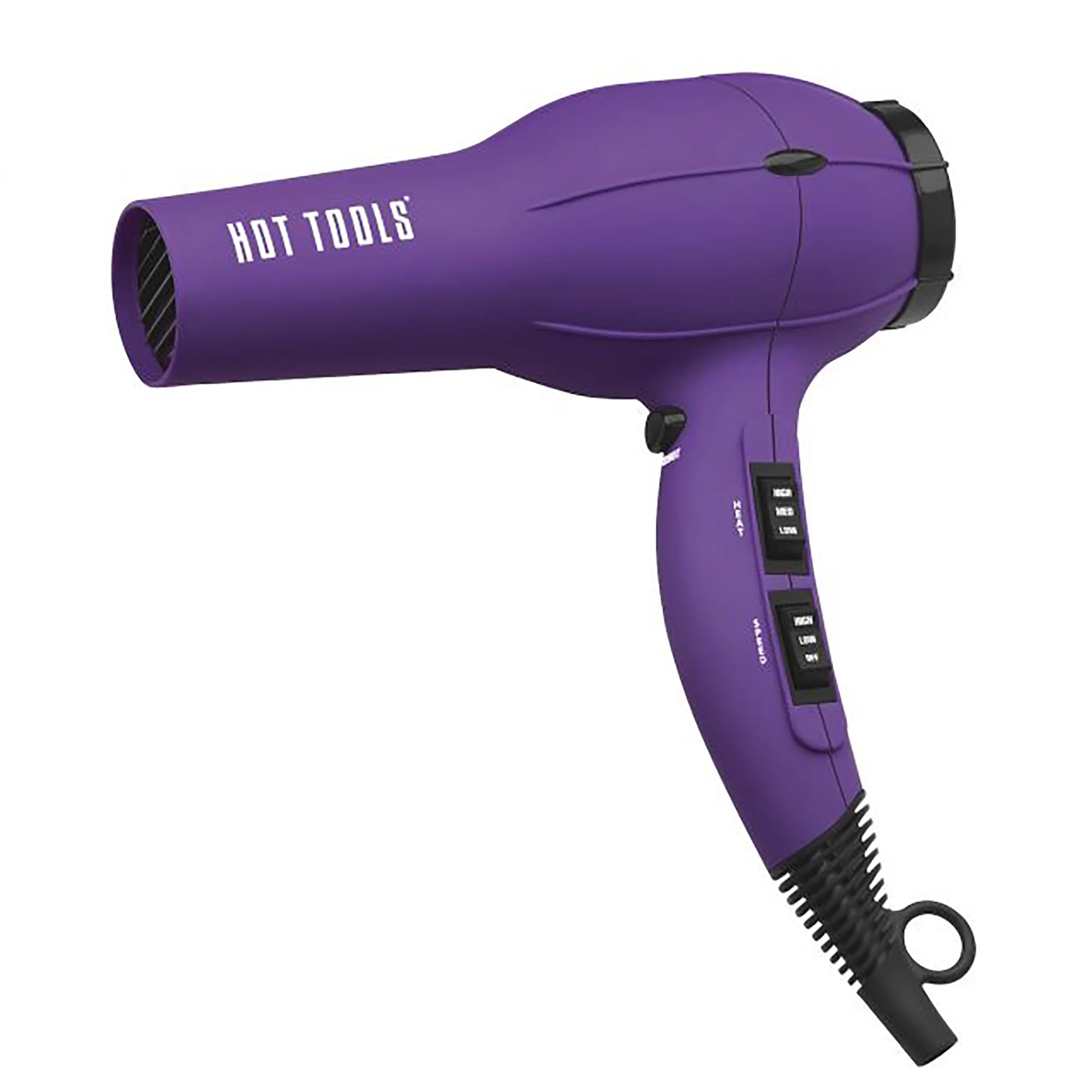
What Exactly is a Hair Dryer Straightener?
At its core, a hair dryer straightener is an ingenious hybrid. Unlike traditional flat irons that are solely designed for straightening dry hair, or conventional blow dryers used for general drying and rough styling, this combined tool integrates both functions. Often referred to as a hot air brush, a dryer brush, or a 2-in-1 styler, it dries your hair with a flow of heated air while simultaneously smoothing and straightening it with specialized brush bristles or heated plates. The goal is to simplify your routine, taking hair from damp to dazzlingly straight, often eliminating the need for a separate blow-dryer and flat iron. It’s a game-changer for anyone looking to streamline their beauty regimen.
The evolution of hair styling tools has continuously pushed boundaries, moving from basic heat application to sophisticated technologies that prioritize hair health and efficiency. Early devices were often harsh, leading to significant heat damage. Today’s hair dryer straighteners, however, are engineered with advanced features to offer a gentler, more controlled styling experience, reflecting a growing demand for versatile and protective hair care solutions.
The Science Behind the Sleek: How They Work
The magic of a hair dryer straightener lies in its dual-action design. It typically combines a powerful motor that generates airflow, much like a regular hair dryer, with a brush head that incorporates heated elements, similar to a flat iron’s plates. As you glide the tool through sections of damp hair, the airflow works to dry it, while the heated bristles or plates simultaneously smooth the hair cuticles and straighten the strands.
Many modern hair dryer straighteners incorporate advanced technologies to enhance performance and protect your hair:
- Ionic Technology: This feature releases negative ions that break down water molecules quickly, speeding up drying time and sealing the hair’s cuticle. The result is significantly reduced frizz, enhanced shine, and a smoother finish.
- Ceramic and Tourmaline Coatings: These materials are often used on the brush or plates to ensure even heat distribution. Ceramic helps to prevent “hot spots” that can scorch hair, while tourmaline, a gemstone, amplifies the ionic output, further boosting shine and minimizing frizz.
- Temperature Control and Sensors: High-quality devices offer multiple heat and speed settings, allowing you to tailor the styling temperature to your specific hair type and texture. Some advanced models even include “infinity” sensors that monitor and maintain a consistent temperature from root to tip, preventing excessive heat exposure.
- Air-fusion Technology: Cutting-edge models like the GHD Duet utilize “Air-fusion technology” to channel concentrated airflow through a drying chamber, combined with low-temperature styling plates. This innovation allows for simultaneous drying and straightening with reduced heat exposure, aiming to safeguard hair health.
Hair Dryer Straightener vs. Traditional Tools: A Head-to-Head
Deciding whether a hair dryer straightener is right for you often comes down to comparing it with the separate tools you might already use.
Hair Dryer Straightener vs. Separate Hair Dryer and Flat Iron
The combined device offers distinct advantages and a few considerations:
- Convenience & Time-Saving: This is perhaps the biggest draw. A single tool means fewer steps, less clutter, and a faster styling routine. You can go from shower to sleek much quicker, making it ideal for busy mornings.
- Cost-Effectiveness: Often, purchasing a high-quality hair dryer straightener is more budget-friendly than investing in two premium separate tools.
- Portability: Their all-in-one design makes them excellent travel companions, simplifying your packing list for trips.
- Potential Quality Trade-offs: Some combined sets, especially lower-end ones, might not match the specialized performance or durability of individual, high-quality hair dryers or flat irons.
Straightening with a Hair Dryer (and a brush)
It’s entirely possible to achieve straight hair using a traditional hair dryer and a round or paddle brush. This technique involves:
- Controlled Airflow: Using a concentrator nozzle on your blow dryer to direct airflow down the hair shaft while pulling sections taut with a brush.
- Gentler Heat: Blow dryers generally use a more dispersed, indirect heat compared to the direct contact of a flat iron. This can be less damaging if done correctly.
- Skill and Coordination: This method requires a bit more practice and coordination to master, as you’re manipulating two tools simultaneously.
The Flat Iron’s Role
The traditional flat iron, or hair straightener, remains a staple for many:
- Precision and Sleekness: Flat irons excel at achieving super straight, sleek, and shiny hair with precise results.
- Direct Heat: They apply concentrated, direct heat to the hair strands, which can achieve long-lasting straightness efficiently. However, this direct contact at high temperatures also carries a higher risk of damage if protective measures aren’t taken.
- Dry Hair Application: Flat irons are primarily designed for use on completely dry hair. Using them on wet or damp hair can cause severe damage.
Choosing the Right Hair Dryer Straightener for Your Hair
Selecting the perfect hair dryer straightener involves understanding your hair’s unique needs and the features available:
- Hair Type & Texture:
- Fine or Damaged Hair: Look for models with adjustable, lower heat settings and advanced protective technologies to prevent overheating.
- Thick or Curly Hair: Opt for higher wattage, stronger airflow, and more robust heat settings to effectively smooth and straighten dense strands.
- Wavy or Normal Hair: Medium heat and speed settings often work well, focusing on ionic technology for frizz reduction.
- Key Features to Look For:
- Adjustable Heat and Speed Settings: Essential for customizing the styling experience to minimize heat damage.
- Material Technology (Ceramic, Tourmaline, Titanium): These ensure even heat distribution and can boost shine and reduce frizz.
- Ionic Technology: A must-have for combating frizz and achieving a smooth, glossy finish.
- Attachments: Some models come with various brush heads (round, paddle) or concentrator nozzles for different styling needs.
- Ergonomics and Weight: A comfortable, lightweight design reduces hand fatigue during styling.
- Cool Shot Function: A blast of cool air helps to seal the hair cuticle and lock in your style for longer.
Mastering the Art: How to Use Your Hair Dryer Straightener Safely and Effectively
To get the best results and protect your hair, follow these steps for using your hair dryer straightener:
- Preparation is Key: Start with freshly washed hair. Gently towel-dry your hair until it’s about 70-80% dry. It should be damp, not dripping wet. Crucially, apply a high-quality heat protectant spray evenly through your hair to create a barrier against heat damage.
- Section Your Hair: Divide your hair into manageable sections (3-5 for most hair types), securing the top layers with clips. Working in smaller sections allows for better control and more thorough drying and straightening.
- Proper Technique:
- Place the hair dryer straightener at the roots of a section.
- Maintain gentle tension as you pull the brush horizontally away from your head, guiding it slowly down to the ends.
- Ensure the airflow is directed downwards, following the brush, which helps to smooth the hair cuticle and enhance shine.
- Move the tool continuously, avoiding holding it in one spot for too long to prevent overheating.
- Temperature Management: Use the lowest effective heat setting for your hair type. Fine or damaged hair benefits from lower temperatures, while thicker or coarser hair may require slightly higher heat.
- Lock in the Style: Once a section is dry and straight, use the cool shot button (if available) to blast it with cool air. This helps to set the style and add lasting shine.
- Finishing Touches: After styling all sections, apply a pea-sized amount of lightweight finishing serum or oil to your mid-lengths and ends. This adds extra shine, controls flyaways, and provides nourishment.
The Benefits: Why a Hair Dryer Straightener Might Be Your Next Go-To Tool
The growing popularity of hair dryer straighteners isn’t just a trend; it’s a testament to their practical benefits:
- Efficiency and Speed: Combine drying and straightening, significantly reducing your total styling time.
- Reduced Frizz and Enhanced Shine: Thanks to ionic technology and smooth barrel materials, many users report noticeably less frizz and a healthy, glossy finish.
- Versatility in Styling: While excellent for straightening, many dryer brushes can also add volume, create soft waves, or achieve a bouncy blowout look, offering more styling flexibility than a traditional flat iron.
- Potentially Less Damaging: Compared to a flat iron that applies direct, intense heat, a good quality hair dryer straightener often uses more distributed heat and airflow, which can be less harsh on your hair, especially for wet-to-dry models designed for this purpose.
- Convenience: One tool to pack, one tool to store, and a simpler routine overall.
“The true magic of modern hair dryer straighteners lies in their ability to streamline your routine without compromising on hair health. It’s about smart styling, not just speed,” advises Dr. Isabella Rossi, a hair care innovation specialist.
Expert Tips for Longevity and Hair Health
To ensure your hair dryer straightener lasts and your hair stays healthy:
- Clean Regularly: Remove any trapped hair from the bristles and wipe down the tool after each use to prevent product buildup and maintain airflow.
- Store Properly: Allow the tool to cool completely before storing it in a safe, dry place, ideally in a heat-resistant pouch.
- Give Your Hair a Break: Avoid using heat tools every day. Let your hair air dry occasionally to minimize heat exposure.
- Always Use Heat Protectant: This is non-negotiable for any heat styling. It forms a protective barrier, reducing potential damage.
FAQ: Your Hair Dryer Straightener Questions Answered
Here are some common questions people ask about hair dryer straighteners:
Can I use a hair dryer straightener on wet hair?
Yes, many models, especially those marketed as “wet-to-dry stylers,” are specifically designed for damp hair. However, it’s generally best to towel-dry your hair until it’s about 70-80% dry before use, unless the manufacturer explicitly states it’s safe for soaking wet hair.
Is a hair dryer straightener less damaging than a flat iron?
Generally, yes. Hair dryer straighteners typically use a combination of airflow and lower, more distributed heat than the direct, high heat of a flat iron. This can result in less overall stress on the hair. However, product quality and correct usage (e.g., using heat protectant, appropriate temperature settings) are crucial for minimizing damage.
How often can I use it?
While generally gentler, any heat styling can cause wear and tear over time. For optimal hair health, it’s recommended to use your hair dryer straightener every other day or a few times a week, rather than daily, especially if you have fine or damaged hair.
What heat setting should I use?
Always start with the lowest heat setting and increase only if necessary. Fine, thin, or damaged hair requires lower temperatures, while thicker, coarser, or very curly hair might need a medium-to-high setting for effective styling.
How do I clean my hair dryer straightener?
First, ensure the device is unplugged and completely cool. Gently remove any tangled hair from the bristles. For the barrel and bristles, wipe them down with a damp cloth to remove product residue. Avoid using harsh chemicals or submerging the device in water.
Conclusion
The hair dryer straightener stands as a testament to innovation in hair care, offering a compelling blend of speed, convenience, and effective styling. It’s an excellent investment for anyone looking to simplify their routine, reduce frizz, and achieve beautifully straight, shiny hair without the hassle of juggling multiple tools. By choosing the right device for your hair type and following proper usage guidelines, you can effortlessly master the art of drying and straightening in one go. Give your styling routine a smart upgrade and experience the transformative power of this all-in-one marvel.